01What can I explore about jewellery and gems here?
Start with the relationship between shape, surface and setting. This notebook offers questions to guide closer looking, from the outline of a pendant to the way a ring sits on the hand. Use the site navigation to explore the wider archive and its separate subjects.
02How do I begin comparing two pieces?
Choose one intended use first, such as everyday wear or an occasional event. Then compare the same features on each piece: overall dimensions, fastening, profile and comfort. A short written checklist makes the comparison more useful than relying on a single photograph or a memorable colour.
03Does a photograph confirm which gemstone is shown?
No. A photograph can help you notice colour, outline and design, but it does not establish the identity or treatment of a stone. Ask for a precise written description and relevant documentation for the individual item before treating an appealing image as evidence about its material.
04What should I ask about a setting?
Ask how the stone is held, whether any edges sit high, and what maintenance the design requires. Consider how the piece will meet sleeves, gloves or other jewellery during ordinary use. These practical questions help connect an attractive silhouette with the way you intend to wear it.
05How can I describe a style I like?
Use a few visible features rather than a broad label alone. You might note a rounded outline, a narrow band, an open arrangement or a repeated geometric shape. Collect two or three references and explain which element appeals to you, so the conversation stays focused on your preferences.
06What information matters before choosing a gift?
Begin with the recipient’s usual jewellery, preferred scale and practical routines. Establish the relevant size where possible and ask the seller about the specific item’s return or adjustment conditions. A clear description of the materials and care requirements helps the recipient understand the piece beyond its appearance.
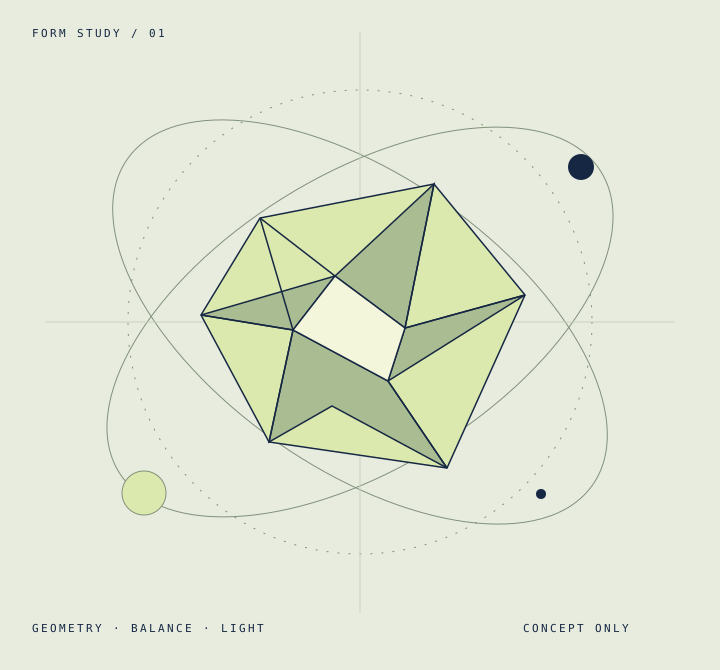
07Can the orbital illustration be purchased as jewellery?
No. The illustration on this page is an abstract concept study created to explore geometry, balance and light. It is not a photograph of a finished piece, an available product, or evidence of a particular gemstone, metal, maker or source. Read it as a visual starting point.
08Where should I go after reading this notebook?
Open the Blog for the site’s reading archive, or use About for background information. The full menu also provides access to the site’s other established sections. When a page discusses a different subject, assess it in that context rather than assuming it describes a jewellery product or service.