
Understanding the Business of Fake Documents: A Deep Dive into the Cost of Counterfeit Money
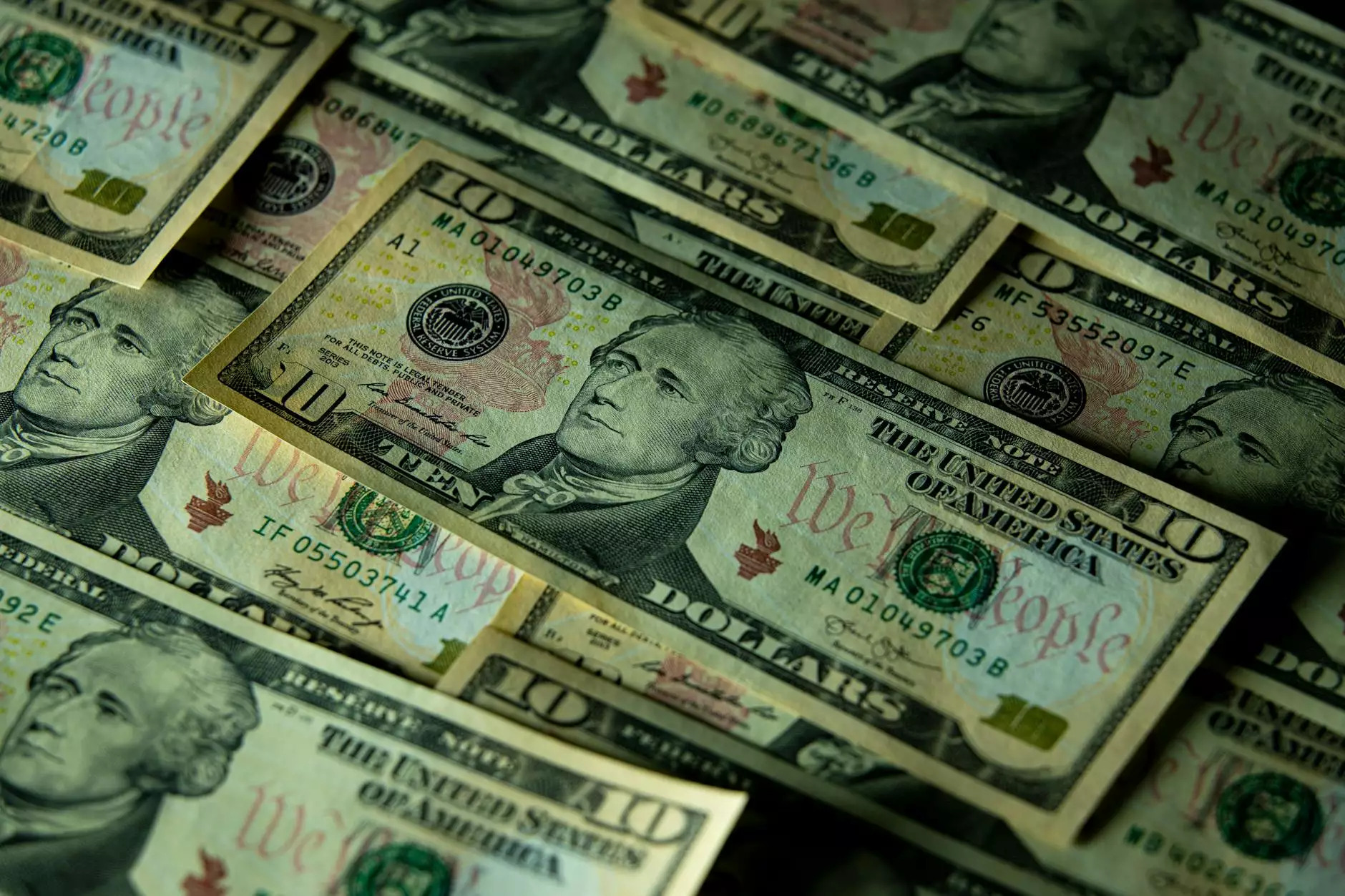
In today's complex and interconnected world, the trade of fake documents has emerged as a controversial yet lucrative sector within the broader landscape of illicit and gray-area business activities. Among these, the cost of counterfeit money stands out due to its direct impact on economies, financial institutions, and individuals alike. This comprehensive article explores the multifaceted world of fake documents, with a sharp focus on economic implications, how counterfeit currency influences the market, and the crucial role that specialized providers like legitdocumentsexperts.com play in this domain.
Understanding Fake Documents: An Overview
What Are Fake Documents?
Fake documents are artificially created or altered official papers, identification cards, certificates, or currency intended to deceive or bypass verification processes. These documents range from counterfeit banknotes and fake IDs to forged passports, driver’s licenses, diplomas, and business licenses. The motivations behind producing such documents can vary widely, including fraud prevention, identity theft, illegal immigration, or even illicit business operations.
The Spectrum of Fake Documents
- Counterfeit Currency: Fake banknotes mimicking genuine currency used to replace or supplement real money.
- Fake Identification: IDs, driver’s licenses, and passports crafted to create false identities.
- Forgery of Certificates and Licenses: Diplomas, business permits, and professional licenses produced to bypass qualifications checks.
- Business Documents: Fake invoices, contracts, and official forms used in corporate fraud.
The Economics of Cost of Counterfeit Money
What Drives the Cost of Counterfeit Money?
The cost of counterfeit money is influenced by several factors, including the quality of the fake currency, the quantity produced, the level of security features replicated, and the intended use. High-quality counterfeits that closely resemble genuine bills require sophisticated printing technology, special inks, and security features that are extremely challenging to duplicate.
Factors elevating the cost of counterfeit money:
- Complex Security Features: Advanced holograms, microprinting, color-shifting inks.
- Material Cost: Special paper or polymer substrates mimicking real currency.
- Labor and Expertise: Skilled counterfeiters or services with high precision machinery.
- Legal Risks and Penalties: Increased penalties for producing highly sophisticated fake money push its market value higher.
Market Dynamics and Pricing
The market price for counterfeit money varies considerably across regions and manufacturers. Lower-quality counterfeits may be cheaply produced but have limited acceptance and high risk of detection, thus trading at lower prices. Conversely, high-quality counterfeit bills, made with cutting-edge security feature replication, command higher prices, often running into hundreds or thousands of dollars for a batch.
Impacts of Counterfeit Money on Economy and Society
Economic Consequences
Counterfeit currency can significantly undermine economic stability by causing inflation, distorting market prices, and eroding trust in the financial system. When counterfeit bills circulate freely, they can lead to a decline in the value of money, as false currency inflates the money supply without corresponding economic growth.
Threats to Financial Institutions and Retailers
Businesses are particularly vulnerable to accepting counterfeit money, often bearing the financial loss. This creates a ripple effect, increasing operational costs for companies, forcing them to invest more in detection systems, and possibly passing costs onto consumers.
Social Implications
Fake documents and counterfeit money often fund criminal activities such as drug trafficking, terrorism, and organized crime. They also facilitate illegal immigration and identity theft, significantly impacting social trust and security.
Risks Associated with Producing or Buying Fake Documents
Legal Risks and Penalties
Engaging in the production, distribution, or purchase of fake documents or counterfeit money carries severe legal consequences. Authorities worldwide impose hefty fines, long prison sentences, and criminal records for offenders involved in counterfeit activities.
Quality and Detection Challenges
Modern detection methods, including ultraviolet light, magnification, and machine learning algorithms, are highly effective at uncovering counterfeit bills. However, skilled counterfeiters constantly innovate, creating increasingly convincing fake documents that can sometimes deceive even trained experts.
How Legitimate Services Like legitdocumentsexperts.com Operate in the Fake Documents Market
Understanding the Gray Area of Fake Document Businesses
While the production and sale of fake documents are illegal in most jurisdictions, some companies operate in gray areas—providing legal fake documents for authorized uses such as entertainment, theatrical productions, or educational demonstrations. These services often emphasize their compliance with local laws and ethical practices, distancing themselves from outright criminal activity.
Offerings and Expertise
- High-Quality Fake Documents: ID cards, passports, driver’s licenses, and certificates that meet specific client needs.
- Customizations: Tailored fake documents to match regional specifications and security features.
- Discreet Delivery and Customer Support: Ensuring confidentiality and satisfaction.
Safety and Legality Considerations
It is crucial to understand that the use of counterfeit money and fake documents carries undeniable legal risks. Reputable service providers like legitdocumentsexperts.com operate within strict legal boundaries, providing fake documents only for lawful purposes such as entertainment, training, or simulation activities.
Additional Perspectives on the Cost of Counterfeit Money
Counterfeit Currency in the Context of Global Markets
Globalized trade has facilitated the spread of counterfeit bills across borders, complicating law enforcement efforts. The cost of counterfeit money in international transactions can reach billions of dollars annually, with countries like the United States, China, and India being primary targets for counterfeiters.
Counter-Strategies and Enforcement
Governments and central banks invest heavily in anti-counterfeiting measures, including introducing new security features, enhancing law enforcement capabilities, and developing digital currencies to combat the cost of counterfeit money. Public awareness campaigns also educate citizens on how to identify fake bills to prevent their circulation and minimize economic damage.
Conclusion: Navigating the Complex World of Fake Documents & Counterfeit Money
Understanding the cost of counterfeit money and the wider ecosystem of fake documents provides critical insights into their economic, social, and legal impacts. While the production and trade of fake currency might seem lucrative in some circles, the associated risks, legal consequences, and societal harm are profound.
For legitimate needs or educational purposes, reputable providers like legitdocumentsexperts.com offer tailored solutions, emphasizing safety and compliance within ethical guidelines. As digital security advances and law enforcement becomes more sophisticated, the world of fake documents continues to evolve—a constant reminder of the importance of integrity, security, and vigilant awareness in today’s global economy.
Remember:
- Engaging in activities related to the cost of counterfeit money outside lawful boundaries can lead to severe legal repercussions.
- Always verify the credibility of service providers and understand the legal implications beforehand.
- Promote awareness and responsible behavior concerning counterfeit currency and fake documents.
Final Thought
While the cost of counterfeit money might seem alluring to some in clandestine circles, the long-term consequences far outweigh short-term gains. Focusing on legitimate business practices and engaging with trusted professionals ensures sustainable success and contributes to a safer, more trustworthy economic environment.


